Hi, my dear readers! The beginning of this Autumn has brought some great changes. After a well-deserved Summer holiday, my son has returned to school. This school year, he will learn how to read and write, which he and I are super excited about!
In addition, I myself have returned to the workforce as a part-time Legal Skills Lecturer at Erasmus University Rotterdam! I will supervise third-year students of Law in their bachelor’s thesis trajectories. I am grateful to be given the opportunity to make a helpful contribution in developing the skills of a new cohort of lawyers.
As always, I hope you will enjoy this Newsletter and, please, do share anything that you wish to bring to the fore!
Open Mic Marvels!
On Wednesday the 14th of October, I will perform at a literary open mic in Amsterdam! Next to 9 other writers and poets, I will be reading one of my poems on stage. Each performer will have about 5 minutes to take the audience on a “metaphorical trip”. I am super excited about the opportunity and I cannot wait to perform!
Feel free to come check me out! However, given the size of the venue, performers and their guests need to book a table in advance. So, please, do let me know, if you wish to attend and I will make reservations accordingly! The open mic will take place at Fabus from 7 to 9pm.

Casting Some Words
In every Newsletter so far, I have given a reflection on a poem I have read. In this September edition, I wish to share my view on a podcast episode instead, namely Upstream’s Honourable Harvest: Indigenous Economics w/Gregg Castro.
First of all, I am a huge fun of the Upstream Podcast. Their episodes are informative, well-researched, and offer a welcome distraction from the rushed reels and hyped-up interviews that can be found everywhere across social media and the Internet. Upstream explores politics, economy, ecology, and, increasingly, their intertwinement. Upstream is proudly socialist, but I would say that anyone who is left-wing or has an open mind and is eager to learn will find the episodes enlightening.
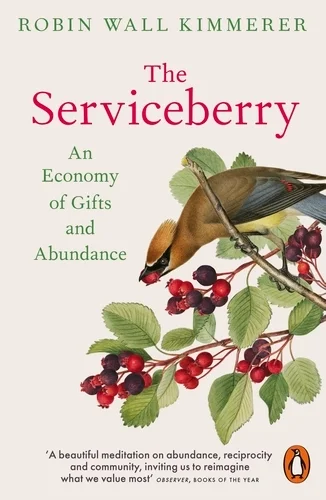
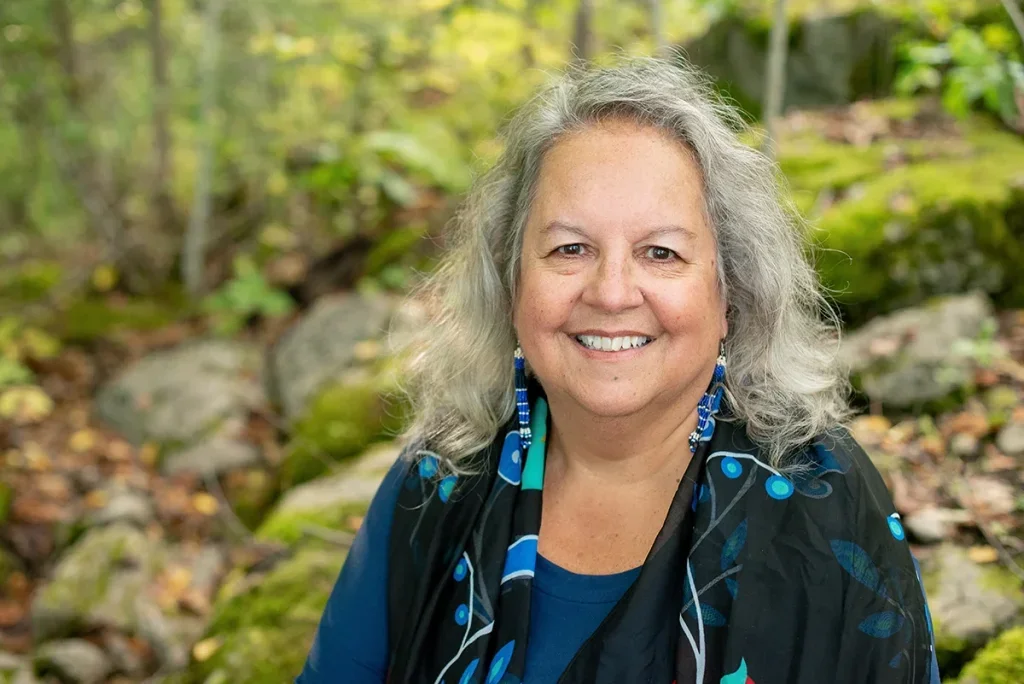
In the episode on indigenous economics, host Della Duncan and Gregg discuss Robin Wall Kimmerer’s best-selling book The Serviceberry (2024). I have read the book myself and was deeply moved by Robin’s compassionate account of her interaction with the serviceberry and her argument for a gift economy. Definitely go read the book if you wish to reflect on the present polycrisis from a more holistic perspective.
Just like Robin Wall Kimmerer, Gregg is of North American indigenous origin. Della invites him to reflect on the present polycrisis from the perspective of indigenous economy and culture. They talk about the importance of community (the village), human beings’ interconnectedness with nature, and sharing, enoughness, and reciprocity as an economic model as opposed to the current model of scarcity, extraction, and competition.
At the same time, Gregg is also honest about the challenges that come with living in a truly interconnected way, especially with the demands of capitalism and the rat race pressing on all of us, which may be even more deeply felt in the United States where everyone is expected to fend for themselves and social welfare is very minimally organised.
Listening to the episode made me realise that indigenous peoples and cultures can help us remember what it is like to live in ways that are more respectful of Mother Earth. Homo sapiens sapiens has been around for 90,000 to 160,000 years (and I say this as a Christian). For most of that time, we lived under hard conditions but in harmony with Nature. I believe that at the dawn of agriculture — around 10,000 years ago — we started viewing Mother Earth more as a resource, and that over the last 500 years alone, with colonialism, imperialism, and industrialisation entering the scene, we let go of harmony altogether. It is time to bring that harmony back if we wish to thrive without at the same time destroying Mother Earth. So let us listen more to those who have remembered — they might be able to help us find our way back as a species.
I am curious to learn your thoughts on the episode — or on the book — and anything related to the polycrisis!

Hugging A Gentle Giant
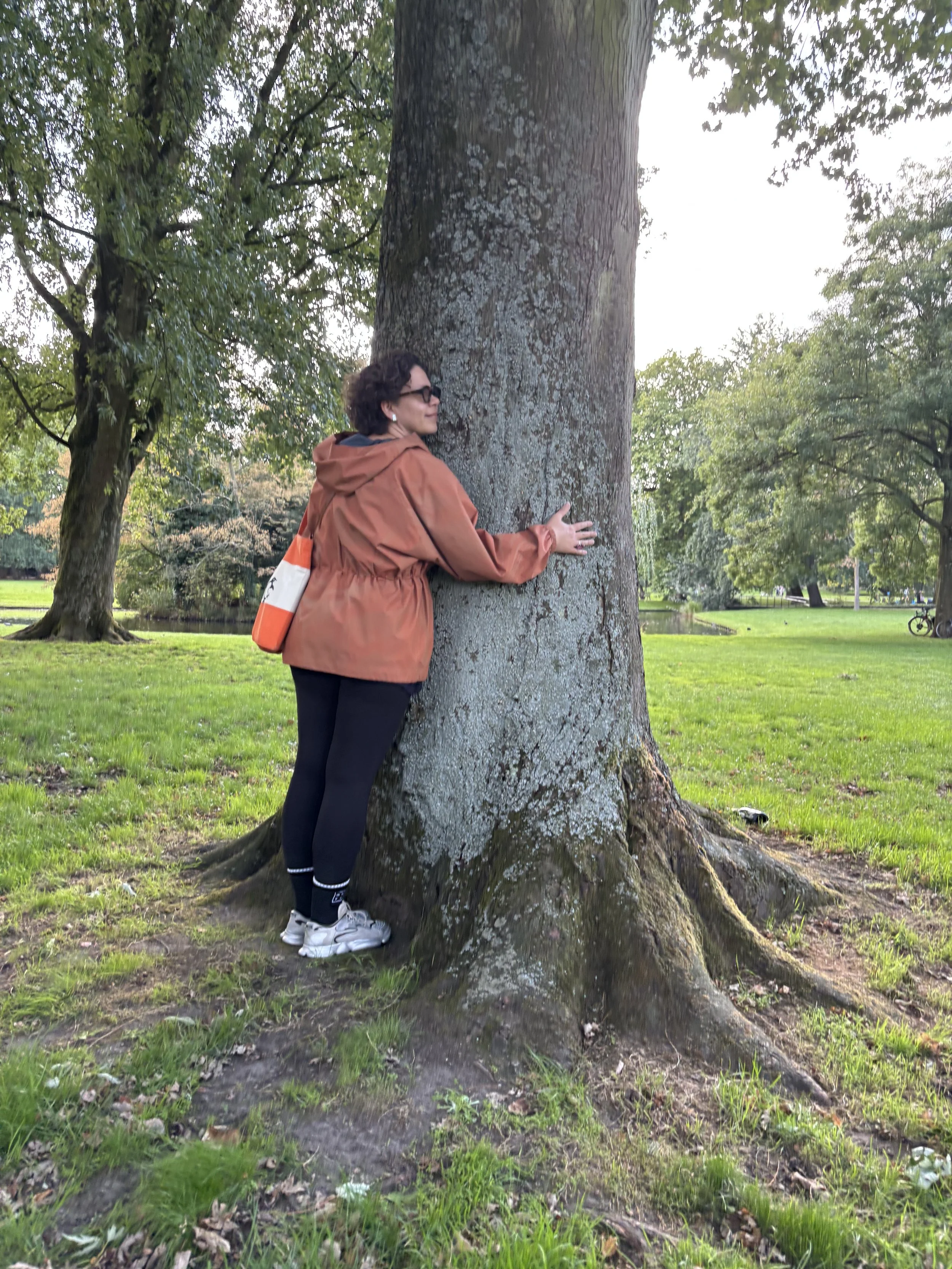
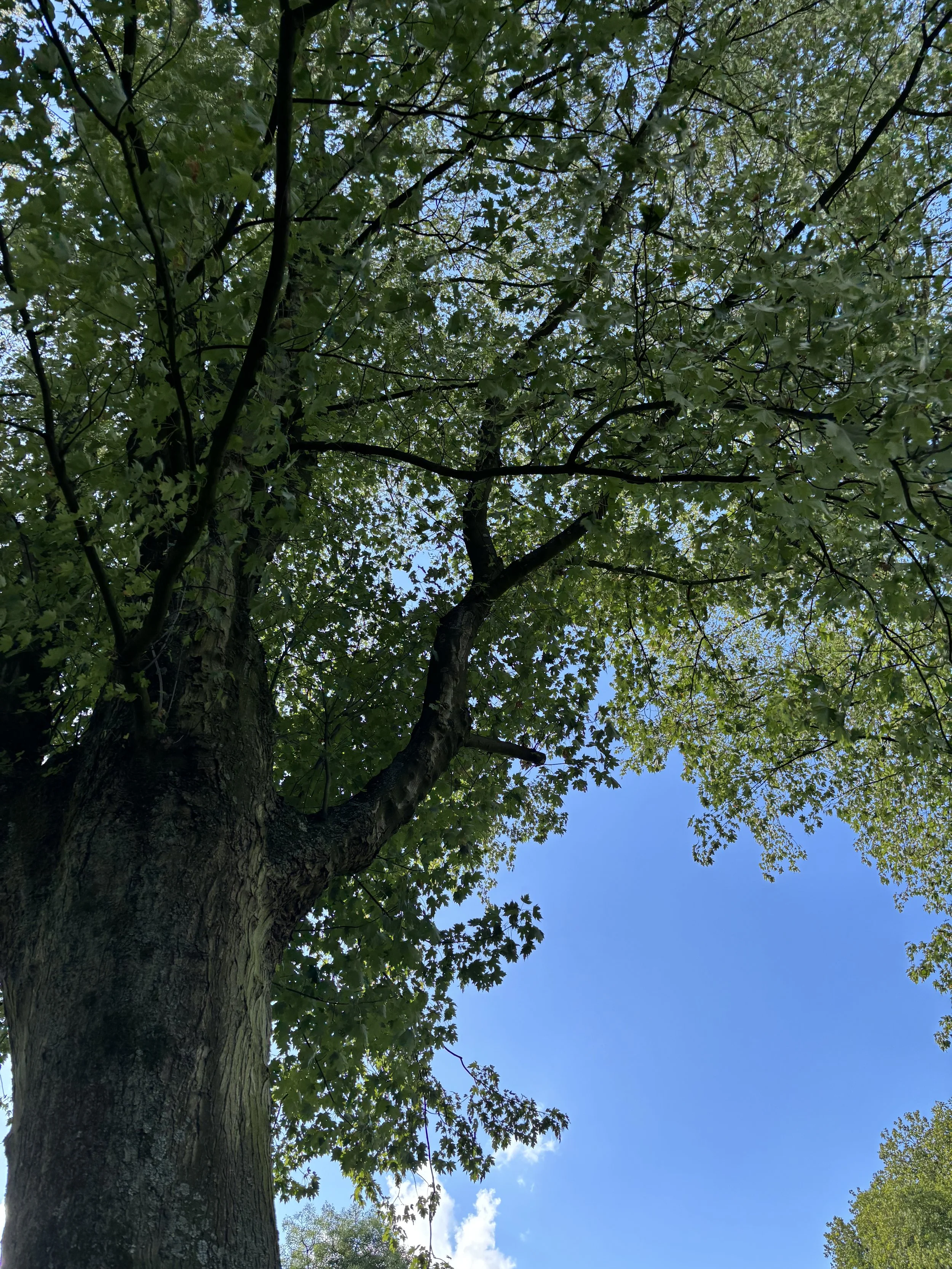
A couple of weeks ago, my son and I went for a stroll in an urban park. We ended up standing in front of a gentle giant. With its robust trunk and rich canopy hovering high above us, it looked very confident, elegant, and inviting. And so I rested my cheek on its bark and gave it my best hug. The tree just carried me, unencumbered by other human beings passing by and the birdsong all around us. My son took a picture while I stood there resting my body against this tree which so gently held me. Before we went on our way, we thanked the tree for its kindness. Hugging it was a beautifully grounding and humbling experience.
Hugging or talking to other beings, especially our green friends, may be a bit uncommon, but certainly is not woo-woo. For tens of thousands of years, human beings lived in close connection with the more-than-human world, believing that everything had spirit (animism this is called) and that a lot, if not all, was sacred.
Today, there are indigenous peoples in North America who sing to trees, believing that trees enjoy the sounds that we make. And in Europe, there are people who as Druids have conversations with the Land to promote healing of the soil at sites where traumatic events have happened (such as war or witch trials).
I believe that seeking connection with other beings (not just animals kept as pets) is a starting point for a practice of reverence, which is desperately needed but severely lacking at this point in time.
Have you ever connected with a tree by hugging it? Or placed your cheek against a tree’s bark? If so, what was that like for you? And if you have not done so, would you like to try some time? I would love to hear from you!